Love, Loss, and the Wisdom Between the Lyrics
A Living-Systems Reflection on the Holidays, Change, and Across the Universe
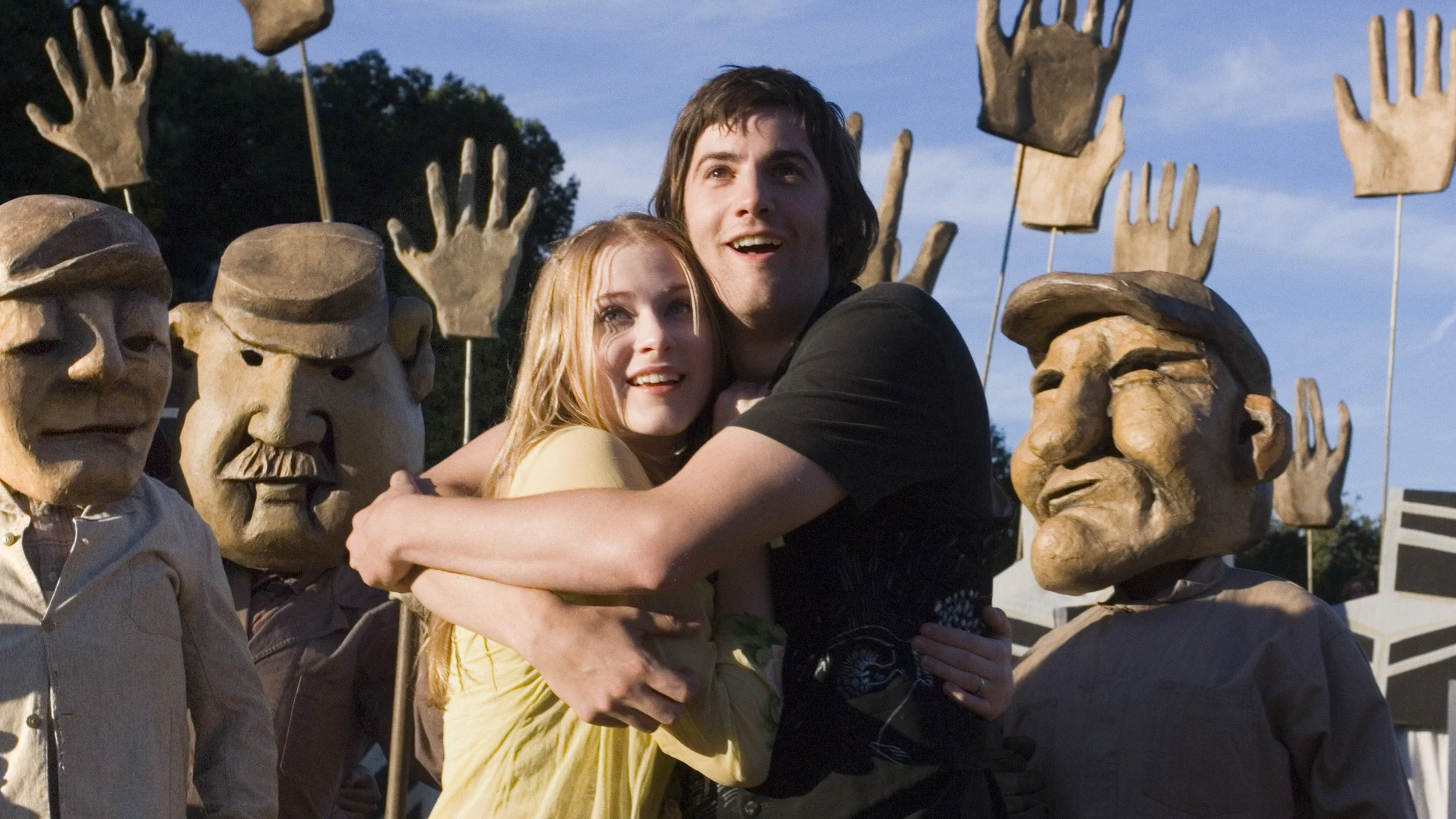
“Limitless undying love, which shines around me like a million suns…”
— The Beatles, Across the Universe
The holidays have a way of turning the volume up on everything. Joy gets louder. Grief gets sharper. Old stories resurface like they’ve been waiting all year for their cue.
We’re told this is the season of cheer, of gratitude lists and shiny resolutions. But our bodies know another pace. Outside, at least here in the Northern Hemisphere, many trees are bare. Roots are working quietly underground. Animals are conserving energy. Soil is composting what came before.
Nature is not rushing. Nature is not reinventing itself on January 1st. Nature is doing deep, invisible work. Which might be why, when things feel like too much—when love and loss are braided so tightly I can’t tell where one ends and the other begins—I keep returning to the movie Across the Universe.
Every time I press play—an 18-year ritual now, one I return to several times a year, when I’m sick, overwhelmed, or simply needing something familiar—something inside me softens. The edges blur. The noise quiets. And I remember: that love can look like grief, that joy often arrives with a tailwind of sorrow, that a body can carry trauma and tenderness at the same time—and still want to dance. This film met me as a teenager and taught me something about connection back then, and somehow, all these years later, it still does.
This isn’t just a film I enjoy. It’s a place I land. A nervous-system anchor. A reminder that impermanence doesn’t mean meaninglessness. Across the Universe is more than Beatles songs stitched together with surreal scenes and beautiful cinematography. It traces how inner lives, relationships, history, art, and loss shape one another—how grief moves through bodies, how love reorganizes identity, how collective upheaval ripples through personal choice. In that way, it becomes a story about living systems: change not as a single event, but as something that moves through many layers at once. A love letter to transformation. A lesson in presence disguised as a psychedelic musical. And like all good teachings—ecological, spiritual, or otherwise—it begins with the truth we often want to skip past.
There is a difference between fighting what’s happening and learning how to stay present inside it. This work becomes a practice of meeting suffering without abandoning ourselves. In living systems—including our own—this intelligence expresses itself as adaptation instead of force, relationship instead of control, and timing instead of urgency. The same principles that guide forests, fungi, and rivers also shape our nervous systems and relationships. In our lives, this often looks like slowing down, telling the truth, and letting change move through us without deciding it means we’ve failed.
Where Pain Becomes Suffering
Everyone in this story is reaching for something—relief, belonging, meaning, a way through. Jude crosses an ocean. Lucy loses love. Max spirals into war. Prudence carries her pain in silence. Jo-Jo and Sadie sing their heartbreak to survive it. This isn’t simply pain unfolding; it’s the strain that arises when life refuses to match our hopes, our plans, or our sense of how things should be.
Pain is inevitable. Loss, change, heartbreak, uncertainty—they arrive whether we invite them or not. Suffering, though, often takes shape in the layer we add on top: the resistance, the stories we tell ourselves, the emotions we have about our emotions. When we fight what’s happening, judge ourselves for feeling it, or demand that this moment shouldn’t exist, the pain tightens and multiplies.
We see how easily humans fall apart when life doesn’t follow the plan. We also see what happens when we stay. When we don’t numb. When we don’t bypass. When we let the ache exist without trying to outrun or reframe it, and allow the music to swell around us like a hug. This is the beginning of healing—not the absence of pain, but a shift in how we meet it.
In nature, after disturbance—fire, flood, loss—systems don’t rush to rebuild. They pause. They reorganize. They let what no longer fits fall away. Only then does new growth emerge. In living systems, this pause isn’t an ending—it’s a listening phase. After disruption, systems begin to orient themselves through small signals: what feels stabilizing, what restores energy, what creates connection, what asks for protection. Growth doesn’t arrive as a grand plan; it emerges through responsiveness. A slight lean toward what nourishes. A withdrawal from what drains. New relationships form quietly. Direction takes shape not through urgency, but through attention. This is how systems find their way forward without forcing it—and how we can, too.
This feels especially relevant during the holidays and the turn of the year, when we’re encouraged to push forward while our bodies are quietly asking for rest.
The Path Is the Practice
Each character in Across the Universe finds their own way back—not to perfection, but to presence. Jude finds purpose through art. Lucy learns that grief and love can coexist. Max hits rock bottom and chooses to rise while carrying the psychological imprint of war—his body intact, his inner world altered. Prudence is coaxed back into the world with a song instead of shame.. Sadie and Jo-Jo realize their love—and the soulful art that grows from it—matter more than fame.
They stumble. They break. They make a mess of things. But they keep choosing to stay open. That, to me, is the fiercest kind of courage.
This is living-systems wisdom: resilience doesn’t come from control, but from relationship. From adapting rather than forcing. From staying in connection—with ourselves, with each other, with the world we’re apart of, with what’s true—long enough for something new to take shape.
Interbeing: The Web We Forget We’re In
Across the Universe reminds us that love isn’t always romantic. Sometimes love is protest. Sometimes it’s harmony. Sometimes it’s letting someone go. No one exists in isolation here. Every action ripples. Every heartbreak hums through someone else’s song.
This is how living systems function. In forests, mycorrhizal fungi exchange nutrients and information across vast underground networks, redistributing resources where they’re most needed. In the body, cells constantly signal, adapt, and cooperate—health emerging not from dominance, but from coordination. In wolf packs, survival depends on attunement: reading subtle cues, responding to shifts in the environment, moving together when conditions change. Life organizes itself through relationship. Meaning emerges not in isolation, but through connection.
We are no different. Our nervous systems co-regulate. Our grief and joy travel through families, friendships, and communities. What one body holds, others feel. Compassion, then, isn’t an abstract virtue—it’s a biological reality, an embodied way of staying in relationship with the web that holds us.
“Dear Prudence, won’t you come out to play…”
That lyric feels like an invitation we all need during this season: come out. Just as you are. Into the web. Into connection. No fixing. No shame. No hiding.
Surrender as Sacred Practice
“Let It Be” isn’t just a song. It’s a mantra. When loss arrives in the film, no one rushes to reframe it. They don’t fix it. They let it be felt.
A gospel choir sings for the boy in the casket, and death becomes something we grieve with, not against. It becomes part of the music. Part of the message. This reflects how living systems respond to disruption—not by bypassing it, but by allowing the full signal to move through. In bodies, unprocessed grief tightens and fragments; felt grief reorganizes. It creates space for coherence to return.
This is the wisdom I’m leaning into as I move through a season of deep change myself—not forcing joy where there’s still darkness, but gently clearing what’s clouded my view so I can feel the light that’s always been there.
The holidays don’t need us to be cheerful. The New Year doesn’t need us to be resolved. Life doesn’t need us to be optimized. It asks us to be honest. Present. Willing.
You Are the Love You’re Looking For
The truth is this: love isn’t the reward at the end of healing. It’s the practice that leads the way. Each time we meet ourselves with care—especially in moments of pain, confusion, or change—we interrupt old patterns of harm and make something gentler possible. Healing the self is not separate from healing the world; it’s how we learn to move through it with more honesty, compassion, and restraint.
So if this season finds you tender—missing someone, shedding an old identity, standing at a threshold you didn’t choose—you don’t need to know what comes next. You’re not behind. You’re not broken. You’re not failing the holidays or the New Year. You’re doing exactly what living systems do when conditions are hard: turning inward, conserving energy, and letting care guide the next move.
You might simply notice what steadies you today. What softens the edges. What brings a little more breath, a little more room. That noticing is participation. That response is movement. In a culture built on urgency and extraction, this is a bold act of rebellion—asking, gently and honestly: what is the wisest and most compassionate thing I can do here, with what I have available?
As the winter solstice arrives—the longest night, the subtle turning back toward light—it offers the same invitation. Not to rush the return, but to trust the timing. To honor what’s still underground. To let what’s been composting inform what comes next.
Rest. Feel. Listen.
And let this be a reminder that even in change, even in loss, the truth of love is still here—moving through you, shaping you, and guiding you home.